

Home Gym Setup Guide
Setting up a home gym is one of the smartest ways to make training more convenient, consistent, and cost-effective. Whether you are building a small workout corner or a complete garage gym, the right equipment and layout will help you train safely and efficiently at home.
A good home gym should fit your available space, your training goals, and your budget. The goal is not to buy the most equipment, but to build a setup that you will actually use week after week.
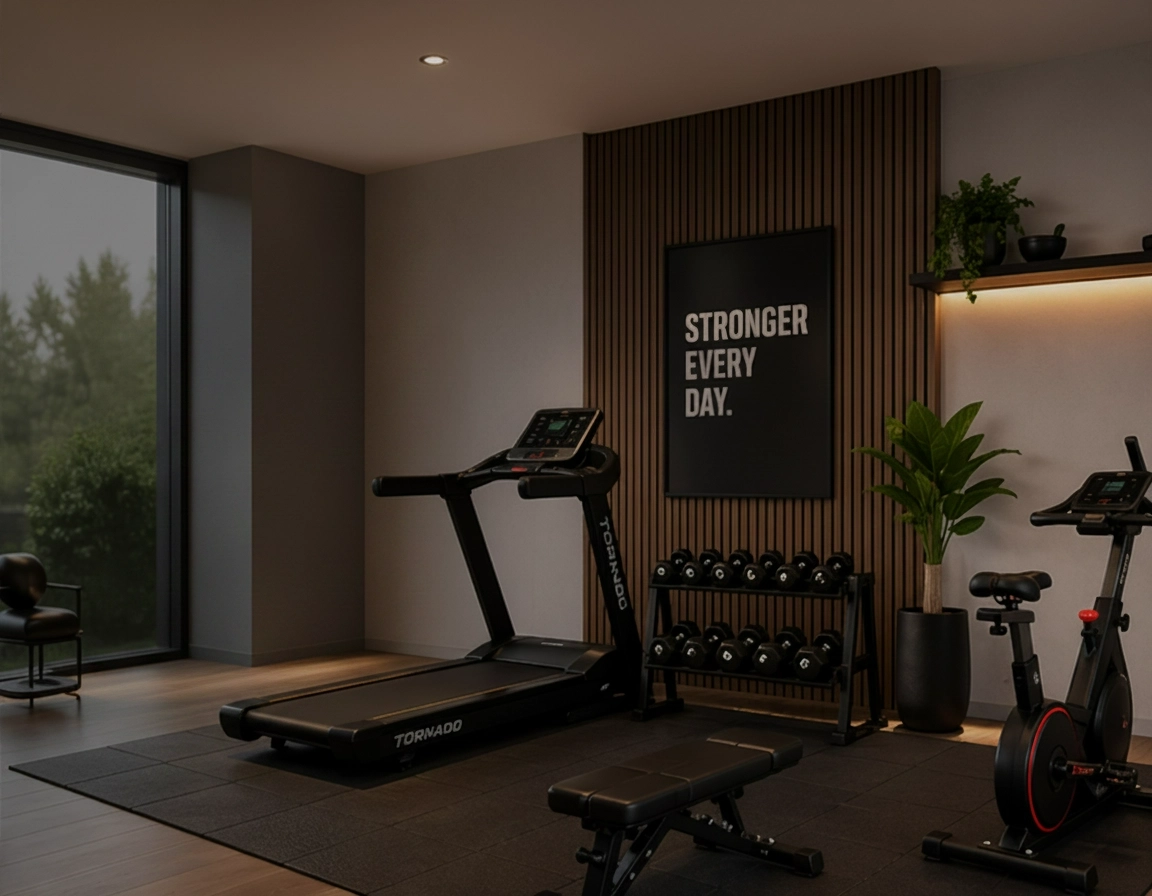
1. Define Your Training Goals
Before buying any equipment, decide what kind of training you want to do at home. Your goal will determine the equipment you need, the space you require, and how much you should spend.
- Do I want to build muscle?
- Do I want to lose weight?
- Do I need strength training equipment?
- Will I focus on cardio, functional training, or a mix of everything?
- Am I training as a beginner or at an advanced level?
If your goal is general fitness, a compact setup with adjustable dumbbells, a bench, and a few cardio options may be enough. If your goal is strength training, you will likely need a rack, barbell, plates, and safer lifting accessories.
2. Measure Your Available Space
Space is one of the most important factors in home gym planning. Before ordering equipment, measure the exact area you plan to use, including ceiling height, floor width, and clearance around each machine.
A home gym should still allow you to move freely and train safely. Even if a product technically fits, it may not be comfortable to use if the room is too tight.
- Total floor area.
- Ceiling height.
- Doorway width.
- Floor strength.
- Ventilation.
- Noise level for neighbors or family members.
For small spaces, choose equipment that can serve multiple purposes. Foldable racks, adjustable benches, and compact cable systems are often smart choices.
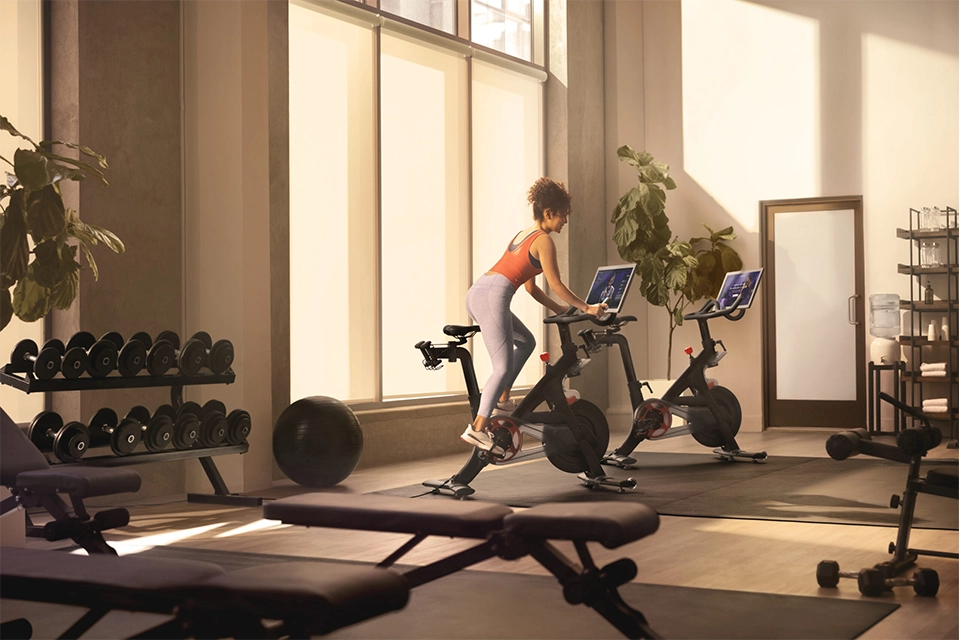
3. Choose Core Home Gym Equipment First
A good home gym usually starts with a few essential pieces. These should cover the most important exercises without making the room overcrowded.
- Adjustable dumbbells.
- Adjustable bench.
- Barbell and weight plates.
- Power rack or squat stand.
- Resistance bands.
- Cardio machine such as a treadmill, bike, or rower.
- Storage rack for accessories.
If space is limited, prioritize equipment that supports multiple movements. For example, a power rack and bench can be used for squats, bench press, overhead press, and many accessory lifts.
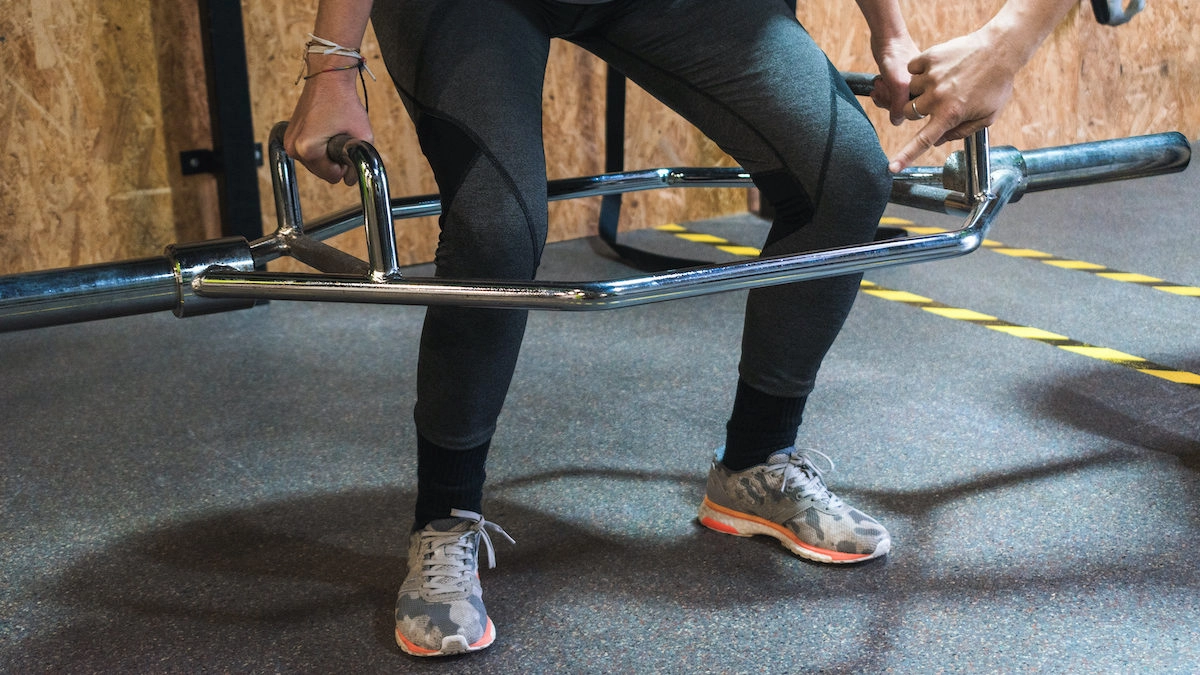
4. Pick Equipment That Matches Your Budget
Home gym budgets can vary widely. Some people want a simple setup under a modest budget, while others want a premium strength space with commercial-style equipment.
When setting your budget, think about equipment cost, shipping cost, flooring cost, accessories and attachments, and future upgrades.
It is usually better to buy fewer high-quality pieces than to fill your space with low-quality equipment that wears out quickly. Durable equipment will save money over time and improve your training experience.
5. Focus on Safety and Stability
Safety matters in a home gym just as much as in a commercial gym. Since you may be training alone, your equipment needs to be stable and easy to use without help.
- Solid frame construction.
- Non-slip feet or flooring.
- Reliable safety bars or spotter arms.
- Secure bench locking mechanisms.
- Smooth cable and pulley movement.
- Enough space to rack and unrack weights safely.
If you plan to lift heavy weights, never skip safety accessories. A proper rack, safeties, and stable flooring can prevent serious injury.
6. Plan the Layout Carefully
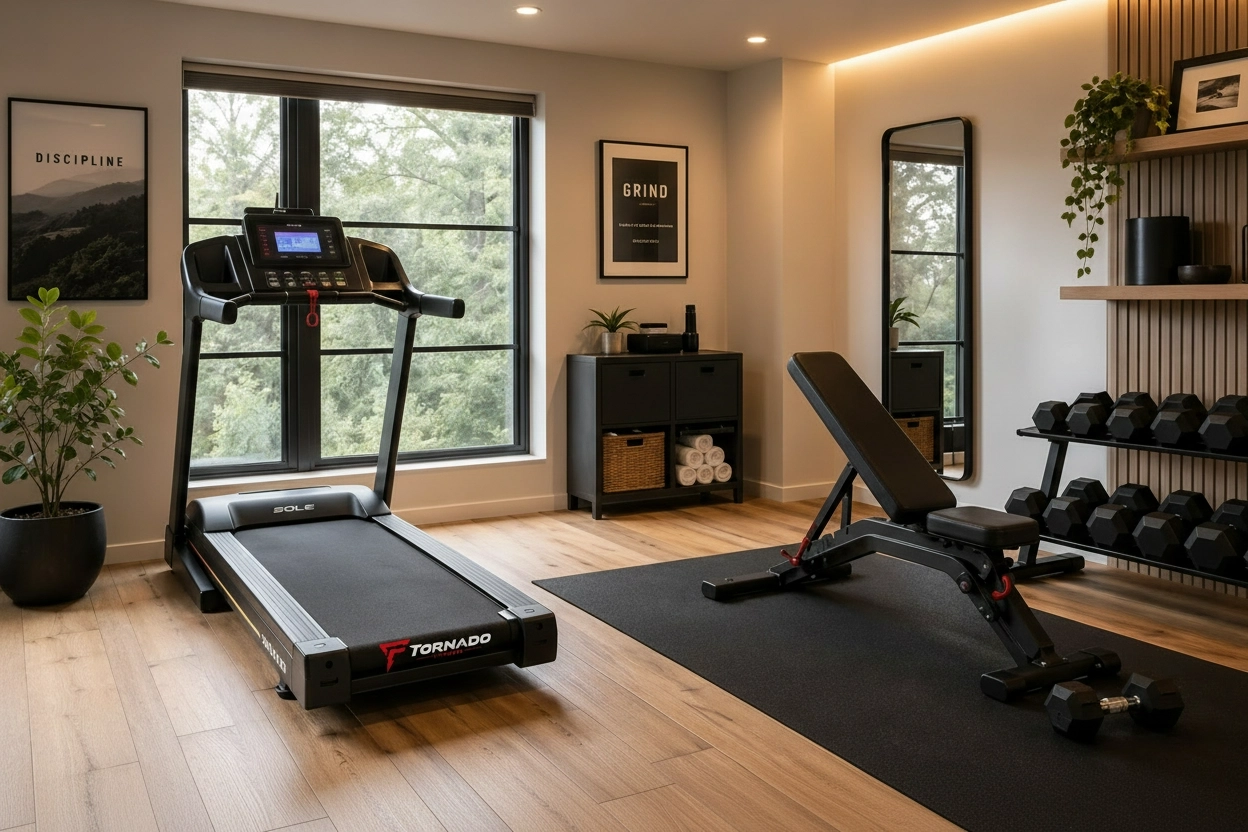
A well-designed layout makes your home gym more comfortable and easier to use. Try to separate lifting, cardio, and storage areas so the space feels organized.
A simple layout strategy is to place the rack or main lifting station in the most open area, put cardio equipment near windows or ventilation, keep dumbbells and small accessories in one storage zone, and leave walking space around every major station.
Good layout planning also helps your home gym look cleaner and more professional.
7. Think About Long-Term Use
The best home gym is one that grows with you. Instead of only planning for your current fitness level, think about where your training may go in six months or two years.
- Will I need heavier weights later?
- Can this rack accept future attachments?
- Can I add cable arms or a pulley system?
- Is the equipment easy to move or expand?
A flexible setup can save you from replacing equipment too soon. This is especially useful if your home gym may also be used by family members with different training needs.
8. Build a Simple Purchase List
Before buying, make a clear list of what you need now and what can wait until later. This will help you stay within budget and avoid unnecessary purchases.
- Adjustable dumbbells.
- Bench.
- Rack.
- Barbell.
- Plates.
- Flooring.
- Storage rack.
- Optional cardio machine.
This step keeps your project focused and helps you avoid clutter.
9. Common Mistakes to Avoid
Many home gym buyers make the same mistakes. Avoiding them can save time, money, and frustration.
- Buying equipment before measuring the space.
- Choosing equipment based only on appearance.
- Ignoring safety accessories.
- Overspending on equipment you will rarely use.
- Forgetting about flooring and storage.
- Not planning for future expansion.
A practical setup is usually better than a flashy one.
10. Final Checklist
Before you finish your home gym setup, check the following:
- Does the equipment fit your training goals?
- Does it fit your available space?
- Is it safe and stable?
- Is it within your budget?
- Will you actually use it consistently?
- Can it grow with your training needs?
If the answer is yes to most of these, you are on the right track.
Conclusion
A well-planned home gym makes fitness easier to maintain and more convenient to fit into daily life. Start with your training goals, measure your space carefully, and choose durable equipment that supports long-term use.
The best home gym is not the biggest one. It is the one that fits your needs, your space, and your routine.


